A habit as old as the corner samosa stall, and one the food safety regulator now wants gone.
Almost everyone in India has eaten it this way. Hot pakoras handed over in a folded sheet of newsprint. A samosa resting on yesterday’s headlines. Bhajias soaking a grease patch through the sports page.
It feels normal, even a little nostalgic, and it costs the vendor nothing because the paper is already lying around. The trouble is that the same ink carrying the news is not meant to sit against your food, and when the food is hot and oily it does not just sit there quietly. It transfers.
This post looks at what is actually in that wrapper, why it matters, and the simple upgrade that fixes it.
Why We Wrap Food in Newspaper
The habit survives for plain reasons. Old newspaper is free, it is in every home and shop, and it soaks up oil, which makes it feel practical for fried snacks.
Handing over a bhaji in newsprint is second nature for a small vendor watching every rupee. None of that makes it safe. It just makes it familiar, and familiar is exactly why the risk gets waved away.
What Is Actually in That Wrapper
Newspaper is printed with industrial ink, not food colour, and the paper itself is a recycled, low-grade product that has been handled many times. Put hot food on it and you are introducing a small cocktail of things that were never meant to be eaten:
| What is in the ink and paper | What it can do inside you |
| Lead and other heavy metals | These build up in the body over time and are hard to clear. Lead is especially harmful to a child’s growing brain and nervous system. |
| Mineral oils in the ink (MOSH and MOAH) | The MOSH group collects in organs such as the liver. Some compounds in the MOAH group are suspected of being able to cause cancer. |
| Pigments, dyes, binders and solvents | None of these are made for food contact. They can transfer into oily food and irritate the stomach and gut. |
| Germs picked up along the way | Newspapers pass through printing, dust, transport and many hands, collecting bacteria long before they ever touch your snack. |
What FSSAI Says
The Food Safety and Standards Authority of India, FSSAI, warns that newspaper printing ink contains toxic chemicals and heavy metals like lead, and that these can leach into food and cause harm when eaten regularly.
Recycled newspaper can also carry chemical residues and germs picked up during printing, storage and transport.
Why Hot and Oily Food Makes It Worse
A cold, dry biscuit resting on paper for a moment is one thing. Hot, greasy street food is another. Heat and oil are exactly the conditions that pull ink out of the paper and into the food.
The mineral oils and pigments in the ink dissolve into fat, so the more oil your snack carries, and the hotter it is when it lands on the paper, the more of the wrapper you end up eating along with it. Fried food, the very thing most often served in newspaper, is the worst case.
The Slow Build-Up
The damage is rarely a single dramatic event. It is the slow kind. A few of these chemicals leave the body easily, but heavy metals such as lead and the mineral oil residues tend to accumulate, building up quietly over months and years of small doses.
That is why a habit that seems harmless meal by meal is a real concern over a lifetime of eating this way.
It Is Against the Rules
Many people are surprised to learn there is an actual regulation here. Under the Food Safety and Standards (Packaging) Regulations, 2018, newspaper, recycled paper and other non-approved materials are prohibited for storing, wrapping or serving food.
FSSAI has repeated the warning many times, most recently after inspectors in Mumbai found vendors bundling food in newspaper, which led the local authority to step in and push food-grade packaging instead. In other words, the wrapper is not a grey area. It is already off the list of things a food business is allowed to use.
Who Is Most at Risk
Everyone eating off newsprint takes in some of this, but a few groups have more to lose:
- Children. Small, growing bodies are far more sensitive to lead and heavy metals, which can affect the brain and nervous system.
- Pregnant women. Some of these chemicals can reach and affect a developing baby.
- Older adults and the unwell. Bodies already under strain clear toxins less easily, so build-up hits harder.
- Daily street food eaters. The harm is about repetition, so the people who eat this way most often carry the highest cumulative load.
The Upgrade: Compostable Plates Instead of Newsprint
The good news is that fixing this is cheap and easy. Vendors do not need a fancy setup, just a serving material that is actually made for food.
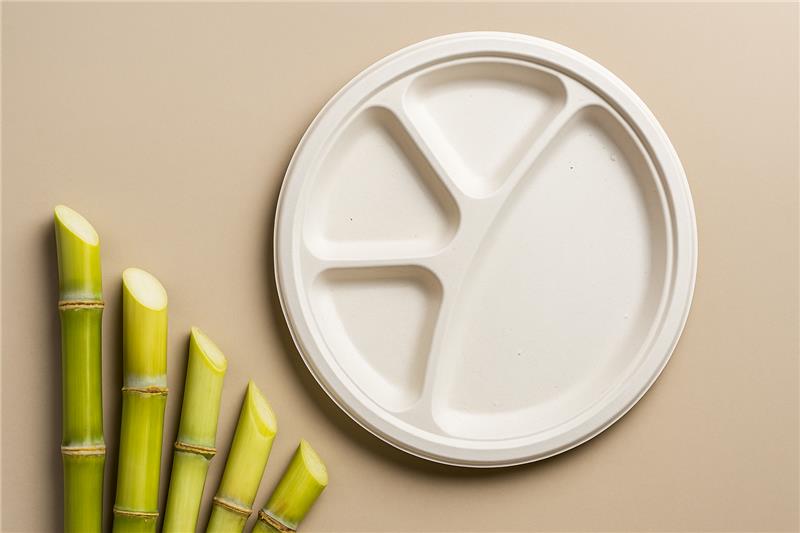
The best answer going around now is single-use tableware moulded from bagasse, the fibre left behind after sugar mills crush the juice out of sugarcane. Instead of being burned as waste, it becomes plates, bowls, trays and food boxes. Compared with a sheet of newspaper, it is a completely different proposition:
- Made for food, not for reading. Bagasse is clean plant fibre with no ink, no lead and no mineral oil, so there is nothing toxic to migrate into a hot snack.
- Built for hot and oily. It resists grease and moisture and holds its shape under fried and gravy food, which is exactly where newspaper fails.
- Food-safe and legal. Food-grade bagasse is an approved material, so a vendor using it is on the right side of the 2018 packaging rules.
- Better for the planet too. It composts in roughly 60 to 90 days, unlike plastic or foam that lingers for centuries, so the upgrade is good for health and waste at the same time.
- Cheap at bulk. Bought wholesale, a compostable plate costs only a rupee or two, a tiny addition to the price of a plate of chaat.
Where Pulpcraft Comes In
If you run a snack stall, a sweet shop or a catering service and want to drop the newspaper for good, Pulpcraft is one of India’s largest makers of bagasse tableware and packaging, and it produces exactly the formats that replace a newspaper wrap.
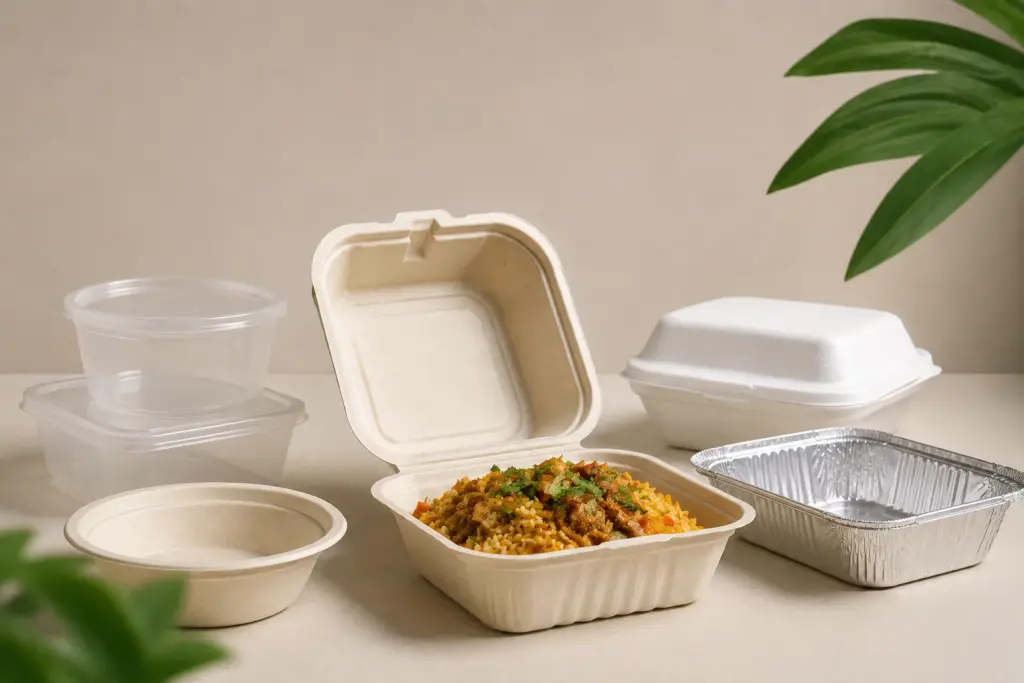
Its range covers plates, bowls, compartment trays and food boxes that handle everything from hot samosas and pakoras to chaat and full meals, all grease-resistant and safe with hot food.
Everything is made under strict food-safety certifications, including:
- ISO 9001, ISO 14001, ISO 22000 and ISO 45001
- SGS testing
- Sedex and FDA compliance
So what your customers eat off is properly food-grade and audit-ready.
Because Pulpcraft supplies direct from the factory in bulk at steady wholesale rates, even a small vendor can switch to compostable serving for a rupee or two per piece and never run short during a busy evening. It turns a cheap habit that quietly harms customers into a clean one that protects them and looks the part.
To get wholesale pricing and samples for your menu, reach out to the Pulpcraft team.
What to Do, Whether You Sell or Eat
For Vendors
The switch is small and worth making:
- Retire the newspaper stack today. Replace it with food-grade bagasse plates and boxes, starting with your hot and fried items.
- Match the format to the food. Use trays for chaat, boxes for parcels and plates for sit-and-eat, so nothing leaks or slides.
- Buy in bulk on a schedule. Wholesale ordering keeps the unit cost low and your supply steady through the week.
- Say so on your cart. A short line such as served on food-grade compostable plates tells customers you have moved on from newsprint, and it draws the health-conscious crowd.
For Customers
The rule is simple. If a vendor hands you fried food in newspaper, ask for it on a plate or in a proper box, or carry your own. It is a tiny bit of friction that keeps a slow, avoidable dose of lead and ink out of your food.
The Bottom Line
Eating out of newspaper is one of those habits that feels harmless because everyone grew up with it. The ink carries lead, heavy metals and mineral oils that were never meant to be swallowed, hot and oily food pulls them straight off the page, and India’s own food safety law already bans the practice.
The fix is not complicated or expensive. Food-grade compostable plates and boxes made from sugarcane give a vendor a clean, legal, planet-friendly way to serve the same beloved snacks without the hidden dose. The samosa can stay exactly as it is. It just deserves a better landing.
Still serving snacks in newspaper? Pulpcraft supplies certified, grease-resistant, compostable bagasse plates, bowls, trays and food boxes in bulk – the food-grade way to serve samosas, pakoras and chaat without the ink. Get in touch for wholesale pricing and samples that fit your menu.