The short answer: yes — if it is certified.
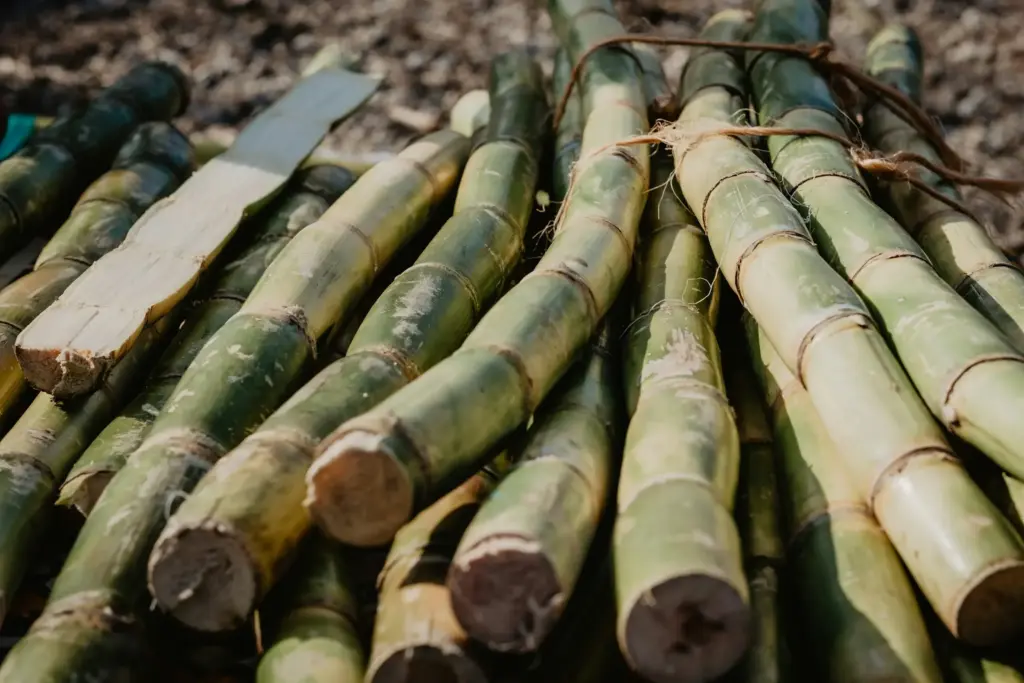
Bagasse tableware is pressed sugarcane fiber, the dry pulp left after juice extraction. When it is manufactured to recognized food-contact and compostability standards, it is safe to eat from. The base material contains no BPA, no phthalates, and no styrene, and it handles food-serving temperatures without leaching. The risk is not the fiber. It is what some manufacturers add to it — or fail to test for. Here is what the evidence shows, and what to verify before you buy.
What bagasse actually is
Sugarcane processing produces enormous volumes of fibrous waste. Manufacturers collect it, pulp it into a slurry, and thermoform it under heat and pressure into plates, bowls, clamshells, and cups. The lignin already in the fiber acts as a natural binder, so quality producers do not need synthetic glues or polymer coatings. No plastic. No petroleum resin. The finished plate is rigid, slightly textured, and naturally off-white or light brown. See our guide to sugarcane bagasse disposable tableware for the full manufacturing breakdown.
The chemical safety case
Disposable tableware has one core safety question: what migrates from the container into the food? Plastic and Styrofoam fail this test on well-documented grounds. Bagasse, by virtue of what it is not, avoids most of those failures.
No BPA
Bisphenol A only exists in the synthesis of polycarbonate and certain epoxy resins. Bagasse is compressed plant fiber, there is no chemistry pathway for BPA to be present. That matters because BPA mimics estrogen, binds estrogen receptors, and migrates faster into food with heat, acidity, and storage time. The NIEHS classifies it among chemicals of significant human health concern.
No styrene
Styrene migrates from polystyrene (Styrofoam) into fatty and dairy foods at levels documented up to 230 µg/kg in some commercial products. In 2019, IARC reclassified styrene from “possibly” to “probably carcinogenic to humans” (Group 2A). Bagasse contains no polystyrene, so there is nothing to migrate.
No phthalates
Phthalates exist to make plastics flexible. Compressed fiber does not need them, so they are not part of the process.
Under the FDA framework for paper and paperboard food-contact materials, 21 CFR 176.170, cellulose-fiber tableware is regulated for what can be added, and compliance is verifiable through lab testing. Certified products test clean.
The PFAS question — the real one
PFAS (“forever chemicals”) are sometimes coated onto fiber packaging for grease resistance. They do not break down. They accumulate in the body. This is where bagasse manufacturers diverge sharply.
In February 2024, the FDA announced that grease-proofing PFAS substances are no longer sold for food-contact use in the U.S. market, and in January 2025 the agency declared 35 related Food Contact Notifications no longer effective. State-level bans now cover most major markets, including California, New York, Washington, Minnesota, Colorado, and a growing list of others.
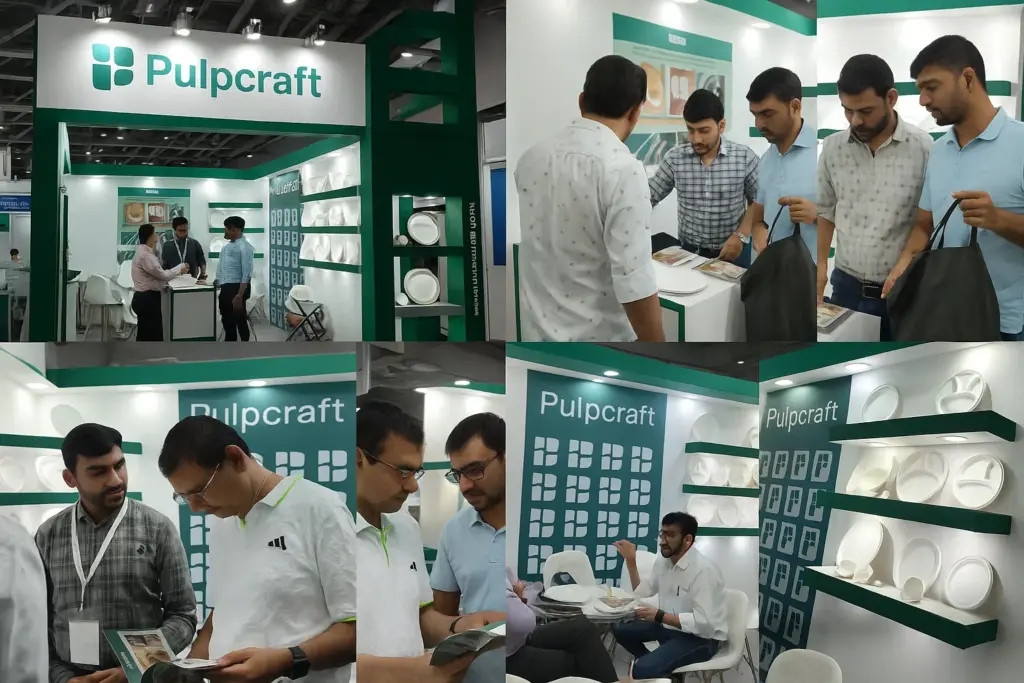
Properly processed bagasse does not need PFAS coatings, the fiber has inherent grease and moisture resistance when made correctly. All Pulp Craft tableware is PFAS-free. That is the single most important spec to verify on any bagasse product you buy.
Heat, microwave, and real-world use
Bagasse holds its structure up to roughly 120°C (248°F), and depending on thickness and density, commercially tested products withstand short exposures higher than that. For context: hot coffee sits at 70–80°C. Pizza out of the oven cools below 100°C within minutes. Reheated leftovers do not approach the limit. Microwave use is fine for short reheats (2–3 minutes, medium power); longer cycles soften the fiber structurally without releasing chemicals.
You will occasionally see scare claims that bagasse “releases styrene or formaldehyde under heat.” Styrene only exists in polystyrene. Formaldehyde is a concern only for products using formaldehyde-based binders or coatings, which is exactly what certified, fiber-only bagasse does not contain. The fix is not to avoid bagasse. The fix is to buy certified bagasse.
How bagasse compares
| Material | Heat tolerance | Migration risk | End of life |
| Polystyrene (Styrofoam) | Low | Styrene (IARC Group 2A) | Non-biodegradable |
| Conventional plastic | Moderate | BPA, phthalates | Non-biodegradable |
| Coated paper | Moderate | Variable (plastic or wax linings) | Often non-compostable |
| Bagasse (certified) | Up to ~120°C | None from base material | Compostable in 60–90 days |
What certification actually verifies
Independent testing under FDA food-contact rules and EU norms checks for:
- Heavy metals (lead, cadmium, arsenic, mercury) – none detectable in certified products
- Formaldehyde – none (some bamboo-fiber products fail this; certified bagasse does not)
- Chlorine bleach residues — none in unbleached products
- PFAS, none in compliant products
Two compostability standards matter. ASTM D6400 governs North America. EN 13432 governs Europe. Both require biodegradation, full disintegration, and no toxic residue in the finished compost. EN 13432 sets specific upper limits on heavy metals in the input material.
How to choose a safe product
Look for:
- FDA food-contact compliance (21 CFR 176.170)
- Explicit PFAS-free labeling
- ASTM D6400 or EN 13432 certification
- Natural off-white or light brown color (paper-white may indicate chlorine bleaching)
- A manufacturer that publishes test reports and batch traceability
Avoid:
- Suspiciously low prices
- Chemical smell when you open the package
- Vague claims with no certification number
- Marketing that calls bagasse “oven-safe” or “reusable”, it is neither. It is a single-use product.
Is it safe for kids?
Children are more vulnerable to endocrine disruptors per pound of body weight, which is why the FDA banned BPA in baby bottles. Certified bagasse contains no BPA and no PFAS, eliminating the two largest concerns for children’s food-contact materials. The surface is smooth and will not splinter. If a toddler chews the edge, the plant fiber softens like paper.
Where bagasse hits its limits
- Long contact with liquid (soup left over 30+ minutes) will soften the container.
- Oily or acidic foods left for hours can affect structure, a physical issue, not a health one.
- Not oven-safe. Not designed for reuse.
- Store in a cool, dry place to maintain integrity.
Quick answers
Does bagasse release chemicals when heated?
Properly certified bagasse, no. The fiber itself has no BPA, phthalates, or styrene. Chemical risk comes from coatings, not the material.
Can you microwave it?
Yes. Two to three minutes at medium power. Longer weakens the structure but does not cause leaching.
Is it better than paper plates?
For hot, greasy, or saucy food, yes. Bagasse is sturdier and does not require the plastic or wax linings most paper plates rely on. It also composts fully within 60–90 days.
Allergens?
Bagasse comes from sugarcane (a grass), but the high-heat manufacturing process substantially alters the raw material. No documented allergen reactions exist in the food-safety literature. Anyone with severe grass allergies should consult their allergist.
The bottom line
Certified bagasse is safe to eat from. The base material is inert plant fiber that does not leach the chemicals plastic and Styrofoam do. The only real variable is the manufacturer. Buy from a producer who publishes PFAS-free, FDA-compliant, ASTM D6400 or EN 13432 certified specifications, and you have a disposable plate that is safer for your food and better for the soil it returns to.