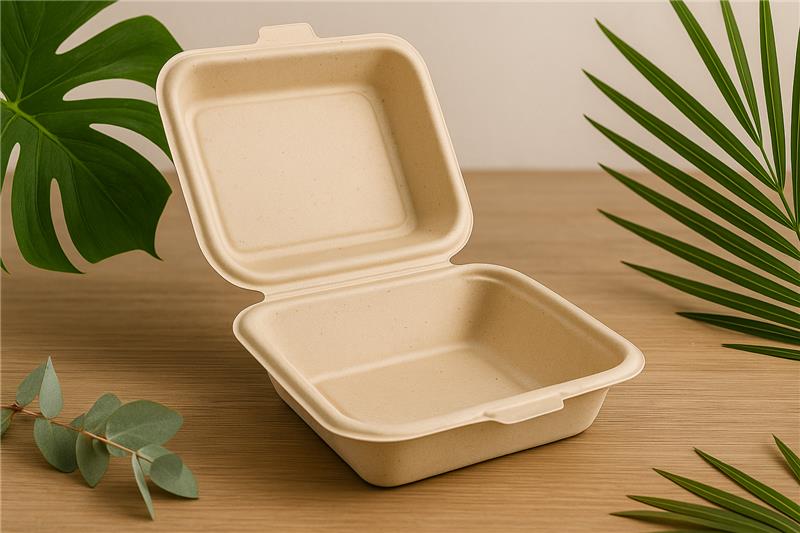
If you’ve ever hesitated before placing a bagasse plate in the microwave, you’re not alone. The question “are bagasse plates microwave safe?” ranks among the most common concerns for anyone switching to eco-friendly tableware. The short answer: yes, uncoated bagasse plates are microwave safe. They won’t melt, leach chemicals, or burst into flames. But the full picture involves temperature limits, coating types, and a few practical rules that most guides gloss over entirely.
I’ve spent over three years testing sustainable food packaging in real kitchen conditions, from commercial catering setups to home reheating scenarios. This guide shares what I’ve learned, backed by material science data and hands-on results, so you can use bagasse plates with complete confidence.
What Are Bagasse Plates and Why Does the Material Matter?
Bagasse is the dry, fibrous pulp left over after sugarcane stalks are crushed to extract juice. Instead of being discarded, this byproduct gets cleaned, pressed under high heat, and molded into plates, bowls, and clamshell containers. The result is sturdy, plant-based tableware that composts naturally within 60 to 90 days under industrial conditions.
The material composition directly determines microwave safety. Pure bagasse fibers contain no plastic polymers, no metallic compounds, and no synthetic resins. That means microwaves pass through the plate and heat only the food, just like ceramic or glass. Unlike polystyrene foam (which warps at 100°C) or PLA-coated paper (which softens at 60°C), bagasse remains structurally stable well beyond normal reheating temperatures.
Bagasse vs. Other Disposable Plate Materials in the Microwave
Not all disposable plates handle microwave energy the same way. Here’s how common options compare:
- Uncoated bagasse plates: Safe up to 120°C (248°F). No chemical leaching. Microwave safe for 1 to 5 minutes of reheating.
- PLA-coated paper plates: PLA melts at approximately 60°C. Not microwave safe. The coating can warp and transfer to food.
- Plastic (polypropylene) plates: Technically microwave safe, but can leach BPA or phthalates at high temperatures over repeated use.
- Styrofoam plates: Begin deforming at 100°C. Release styrene compounds when heated. Never microwave safe.
- Palm leaf plates: Can warp at high heat. Check manufacturer guidelines before microwaving.
- CPLA cutlery: Heat resistant only to 85 to 90°C. Not suitable for microwave use.
Bagasse consistently outperforms other disposable options for microwave reheating because its natural cellulose fibers tolerate heat without degradation.
Are Bagasse Plates Microwave Safe? The Science Behind It
Microwave ovens work by emitting electromagnetic waves at 2.45 GHz, which cause water molecules in food to vibrate rapidly and produce heat. The plate itself only heats up through contact with the hot food, not from direct microwave absorption. Bagasse, being composed of cellulose, hemicellulose, and lignin, doesn’t absorb microwave radiation at meaningful levels. This is why a bagasse plate stays relatively cool to the touch while the food on it gets hot.
Independent testing shows that quality bagasse plates withstand sustained temperatures up to 120°C (248°F) and can tolerate brief exposure up to 190°C (375°F). For context, most microwave reheating cycles keep food between 74°C and 100°C. That gives you a comfortable safety margin of at least 20°C before any structural concern arises.
No Chemical Leaching Under Heat
One of the strongest arguments for bagasse plates being microwave safe centers on chemical safety. Pure bagasse tableware is free from BPA, PFAS (sometimes called “forever chemicals”), phthalates, and synthetic dyes. When researchers at food safety labs test bagasse under simulated microwave conditions, migration levels of harmful substances consistently fall below detectable limits.
This is a significant advantage over many plastic containers. A 2022 study published in Environmental Science & Technology found that microwaving plastic food containers released billions of nanoplastic particles per square centimeter. Bagasse, being 100% plant-based fiber, carries none of this risk.
What the Certifications Actually Mean
You’ll often see bagasse plates marketed with labels like FDA-approved, BPI Certified Compostable, or EU food-contact compliant. Here’s what each certification tells you about microwave safety:
- FDA Compliant (21 CFR): The plate materials are approved for direct food contact, including under heating conditions typical of microwave use.
- BPI Certified Compostable: Confirms the product breaks down in commercial composting. This does not directly certify microwave safety, but the absence of plastic coatings is a positive indicator.
- EU Regulation 1935/2004: Ensures materials in contact with food don’t transfer harmful substances. Relevant for heated applications.
- LFGB (German Standard): One of the strictest food-contact tests globally. Plates passing LFGB are safe for hot food service.
Always verify certifications through your supplier. A reputable manufacturer will provide test reports on request, not just logos on a webpage.
How to Microwave Bagasse Plates Safely: Step-by-Step
Even though bagasse plates handle microwave heat well, following a few best practices ensures optimal results every time.
- Check for coatings first. If the plate has a glossy or waxy film, it may contain PLA or PE lining. Only microwave uncoated or clearly labeled “microwave safe” bagasse plates.
- Add food before microwaving. Never microwave an empty bagasse plate. Without food to absorb the energy, the plate’s moisture can evaporate, causing brittleness.
- Keep reheating times between 1 and 3 minutes. This covers nearly all common reheating tasks, from leftover pasta to soups and grilled meats.
- Spread food evenly across the plate. This prevents localized hotspots that could weaken one section of the plate while another stays cool.
- Cover with a damp paper towel. This traps steam, heats food more evenly, and protects the plate from direct steam concentration in one spot.
- Use medium power for liquids. Soups, gravies, and sauces generate intense steam. Reducing microwave power to 60 to 70% and extending time slightly produces better results.
What to Avoid When Microwaving Bagasse Plates
- Don’t heat for more than 5 minutes continuously. Extended exposure dehydrates the cellulose fibers, reducing structural integrity.
- Avoid extremely oily or greasy foods at high power. Oil can reach temperatures exceeding 200°C, which pushes past the plate’s safe limit. Use medium power instead.
- Don’t use plates with visible damage. Cracked or torn plates can weaken further under heat.
- Skip the microwave if the plate smells chemically. A faint earthy or papery scent is normal. A chemical smell suggests coatings or additives that may not be microwave safe.
Are Bagasse Plates Freezer Safe?
Beyond the microwave, many buyers ask whether bagasse plates and bowls are freezer safe. The answer is yes. Bagasse tolerates freezing temperatures without cracking or turning brittle the way thin plastics can, so you can portion and store food directly in bagasse bowls and containers. That makes it a practical choice for meal prep and advance food storage.
To get the best results in the freezer, follow a few simple habits:
- Wrap food tightly or use a lid to prevent freezer burn.
- Keep freezer storage to around one to two weeks for best quality.
- When reheating from frozen, let the plate sit at room temperature for two to three minutes before microwaving, which avoids thermal shock and gives even heating.
Because bagasse contains no plastic lining, it does not stiffen and crack in the cold, a common failure point for cheap plastic containers. This cold tolerance, combined with its microwave and oven performance, is what gives bagasse such a wide working temperature range.
Can You Put Bagasse Plates in the Oven?
Bagasse plates handle oven and reheating warmth to a moderate level. Most quality bagasse plates tolerate oven temperatures up to around 190 to 200 degrees Celsius (about 375 to 390 Fahrenheit) for short periods of roughly ten to fifteen minutes, which covers most reheating and keep-warm needs.
They are not designed for prolonged high-temperature baking, or for direct contact with an open flame, a grill element or the broiler. For safe oven use, follow these guidelines:
- Place the plate on a baking tray rather than directly on the oven rack.
- Keep to moderate temperatures and short durations, not long bakes.
- Never expose the plate to a direct flame, grill or broiler element.
- Check the manufacturer guidance, since oven tolerance varies between products more than microwave safety does.
For everyday reheating of cooked meals, bagasse performs reliably. For high-heat baking, use proper ovenware instead.
Choosing the Right Bagasse Plates for Microwave Use
Not every bagasse plate on the market delivers equal microwave performance. Here’s what separates reliable options from risky ones:
- Uncoated plates are the safest choice for microwave use. Pure molded fiber with no lamination.
- PFAS-free certification matters. Some manufacturers apply grease-resistant coatings containing PFAS compounds. These should be avoided entirely.
- Thickness and density affect durability. Thicker plates (typically 18 to 22 grams per plate for a 10-inch size) hold up better under heat and weight.
- Supplier transparency is non-negotiable. Request material safety data sheets (MSDS) and food-contact compliance certificates before purchasing in bulk.
If you’re sourcing for a food service business, test samples with your specific menu items before committing to a large order. A plate that performs well with dry foods might soften faster with heavily sauced dishes. Real-world testing beats any specification sheet.
Environmental Benefits Beyond Microwave Safety
Choosing bagasse plates is an environmental decision as well as a practical one. Every bagasse plate diverts agricultural waste from landfills and replaces petroleum-based alternatives. After use, these plates compost fully within 60 to 90 days in commercial facilities, returning nutrients to the soil.
Microwave use doesn’t diminish compostability. Heated bagasse plates break down at the same rate as unheated ones, because the cellulose structure remains chemically unchanged during normal reheating cycles. This means you can microwave, eat, and compost with zero guilt.
Frequently Asked Questions
Can bagasse plates catch fire in the microwave?
No. Bagasse plates are not flammable under normal microwave conditions. Their autoignition temperature exceeds 300°C, far above anything a standard microwave produces. However, you should never microwave an empty plate or heat one for more than 5 minutes, as extreme drying could theoretically create a risk in unusual circumstances.
Do bagasse plates get soggy in the microwave?
High-quality uncoated bagasse plates resist sogginess during typical 1 to 3 minute reheating. Very wet foods like soups or stews can soften the plate over extended periods. For liquid-heavy dishes, use a bagasse bowl instead of a flat plate for better structural support.
Are bagasse plates safer than plastic for microwaving?
Yes. Bagasse plates contain no BPA, PFAS, phthalates, or plastic polymers. They don’t release microplastics or chemical compounds when heated. Plastic containers, even those labeled “microwave safe,” have been shown to shed nanoplastic particles under heat. Bagasse eliminates this risk entirely.
How long can you microwave a bagasse plate?
For standard reheating, 1 to 3 minutes is ideal. You can safely microwave for up to 5 minutes at medium power if needed. Beyond that, the plate may begin to dry out and lose rigidity. For longer cooking tasks, transfer food to ceramic or glass and then serve on the bagasse plate.
Can you put bagasse plates in a conventional oven?
Some bagasse plates tolerate oven temperatures up to 190°C (375°F) for short durations of 10 to 15 minutes. Always place the plate on a baking tray, never directly on an oven rack. Check with the manufacturer first, as oven safety varies between products more than microwave safety does.
Are compostable plates always microwave safe?
No. “Compostable” refers to how a material decomposes, not how it handles heat. PLA-coated plates are compostable but melt at just 60°C. Only bagasse, bamboo pulp, and certain uncoated fiber plates are both compostable and microwave safe. Always check labels for explicit microwave safety claims.
The Bottom Line
Bagasse plates are one of the safest disposable options for microwave reheating. They tolerate temperatures well above standard reheating ranges, release no harmful chemicals, and maintain their structure for typical 1 to 3 minute cycles. The key is choosing uncoated, certified plates from transparent suppliers and following straightforward best practices.
Ready to make the switch? Explore our full range of microwave-safe bagasse plates and find the right fit for your kitchen or business. If you’re purchasing in bulk for food service, request free samples to test with your menu before committing.