For restaurants, every purchase is a business decision, not a moral gesture. When you’re evaluating bagasse plates and sugarcane plates as alternatives to plastic or low-grade disposables, the real question isn’t “Are they ethical?” It’s: Do they make business sense?
At first glance, biodegradable plates and eco-friendly disposable plates may cost more per unit than cheap plastic or coated paper options. But the economics of tableware aren’t measured in rupees per plate alone. They’re measured in performance, customer satisfaction, operational efficiency, and long-term value.
This article breaks down whether bagasse plates are worth the cost for restaurants—based on real-world use.
Understanding the True Cost of Disposable Tableware
Most restaurants look at packaging cost in a very narrow way: How much does each plate cost?
That’s only a small piece of the puzzle.
When you factor in real costs, cheap materials often cost more in the long run because they contribute to:
- Breakage and wastage
- Staff having to double-plate or reinforce orders
- Complaints during delivery and takeaway
- Negative customer perception
- Operational slowdowns during peak hours
When you compare price alone, plastic or paper plates sometimes seem cheaper. But once you include these hidden costs, the economics change.
Performance Matters More Than Price
The value of bagasse plates and sugarcane plates lies primarily in performance.
High-quality bagasse plates will:
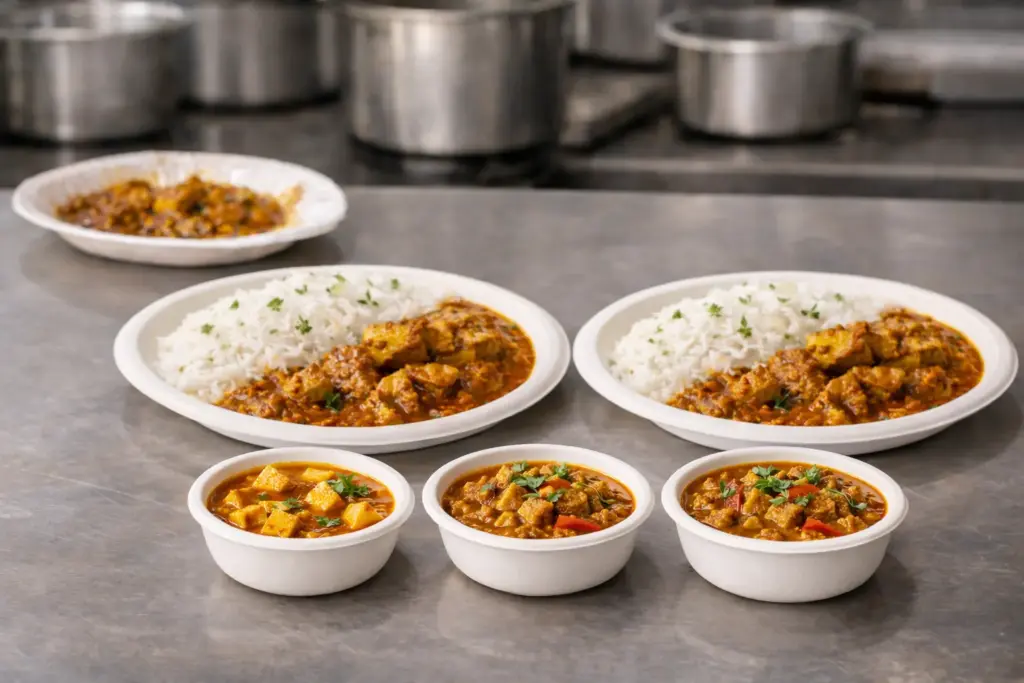
- Handle hot food without warping
- Resist oil and gravy seepage
- Maintain strength even with large portions
- Stay rigid throughout the meal
In contrast, low-cost synthetics often:
- Soften with hot food
- Leak when exposed to oil
- Require frequent replacements
- Lead to increased complaints
From an operational perspective, reliable plates reduce hot-service headaches. This translates to less staff time spent managing packaging issues and fewer refunds or remakes due to packaging failure.
Customer Experience and Perception
Customers may not articulate it, but they notice quality. A flimsy plate can make good food feel cheap. This matters especially for restaurants positioning themselves as quality-driven or premium.
Eco-friendly plates made from sugarcane bagasse communicate intentional choice without saying a word. They feel sturdier in hand, carry food confidently, and reflect better on the brand than plasticky alternatives.
In an era where review platforms and social media influence decisions, packaging that performs well becomes part of the restaurant experience, not an afterthought.
Operational Efficiency and Staff Confidence
When staff know the plates will behave consistently, service flows smoothly. There’s no need to double up plates or spend extra time handling flimsy disposables.
Restaurants and kitchens quickly notice:
- Faster plating and carrying
- Fewer mid-service issues
- Less staff frustration
- Fewer customer complaints
This operational efficiency reduces hidden labour costs. Even if bagasse plates cost a little more per unit, they save time and frustration that actually do cost money.
Waste Reduction and Long-Term Savings
Cheap plates often end up as waste before the meal is even finished—especially with heavier dishes. Frequent replacements and breakage mean more consumption over time.
Well-made sugarcane bagasse plates tend to:
- Have lower rejection rates
- Require fewer backups per service
- Create less waste overall
When you account for breakage and replacement, the effective cost per use often becomes similar to or better than cheaper alternatives.
Price vs. Total Value: A Simple Comparison
| Factor | Cheap Plastic/Paper Plates | Bagasse Plates/Sugarcane Plates |
| Unit Cost | Lower upfront | Slightly higher upfront |
| Strength with Hot Food | Poor to moderate | High |
| Oil/Grease Resistance | Weak | Reliable |
| Customer Perception | Neutral to negative | Positive |
| Operational Reliability | Variable | Consistent |
| Waste & Replacement | Frequent | Less frequent |
| Long-Term Value | Low | High |
Looking at the total picture, bagasse plates often come out ahead—not because they are “eco-friendly” but because they simply work.
When Bagasse Plates Are Worth It
Bagasse plates deliver real value when:
- You serve hot, oily, or liquid-heavy foods
- You do significant delivery or takeaway business
- You want fewer complaints and faster service
- You’re sourcing disposable plates wholesale for multiple outlets
- You want to signal quality without extra messaging
In these cases, the higher per-unit cost is not just justified—it becomes an investment in smoother operations and better customer experience.
Final Thoughts
So, are bagasse plates worth the cost for restaurants? The answer depends on how you measure cost.
If you measure only rupees per plate, they may seem more expensive. But if you measure total value—counting performance, reliability, customer perception, and operational efficiency—bagasse plates and sugarcane plates often deliver greater return than cheap alternatives.
In real food service conditions, biodegradable plates and eco-friendly disposable plates don’t just look responsible. They perform responsible service. And for restaurants focused on quality and consistency, that performance is worth every rupee.