Bagasse Tableware Demand: Why the Market Is Surging Past $6 Billion
Bagasse tableware demand is accelerating at a pace that even the most optimistic sustainability advocates didn’t predict five years ago. What started as a niche eco-friendly alternative has evolved into a multi-billion-dollar global market, fueled by plastic bans, shifting consumer values, and a foodservice industry scrambling to go green. Whether you’re a restaurant owner, a packaging distributor, or an investor eyeing the sustainable materials space, understanding the forces behind bagasse tableware demand is no longer optional.
The numbers tell a compelling story. Future Market Insights projects the bagasse tableware products market will expand from USD 3.1 billion in 2026 to USD 6.4 billion by 2036, growing at a 7.5% CAGR. Market Research Future paints an even more bullish picture, estimating the market at USD 5.7 billion in 2024 with projections reaching USD 16.47 billion by 2035 at a 10.12% CAGR. Regardless of which forecast you lean toward, the trajectory is unmistakable: bagasse tableware demand is climbing fast.
What Exactly Is Bagasse, and Why Does It Matter?
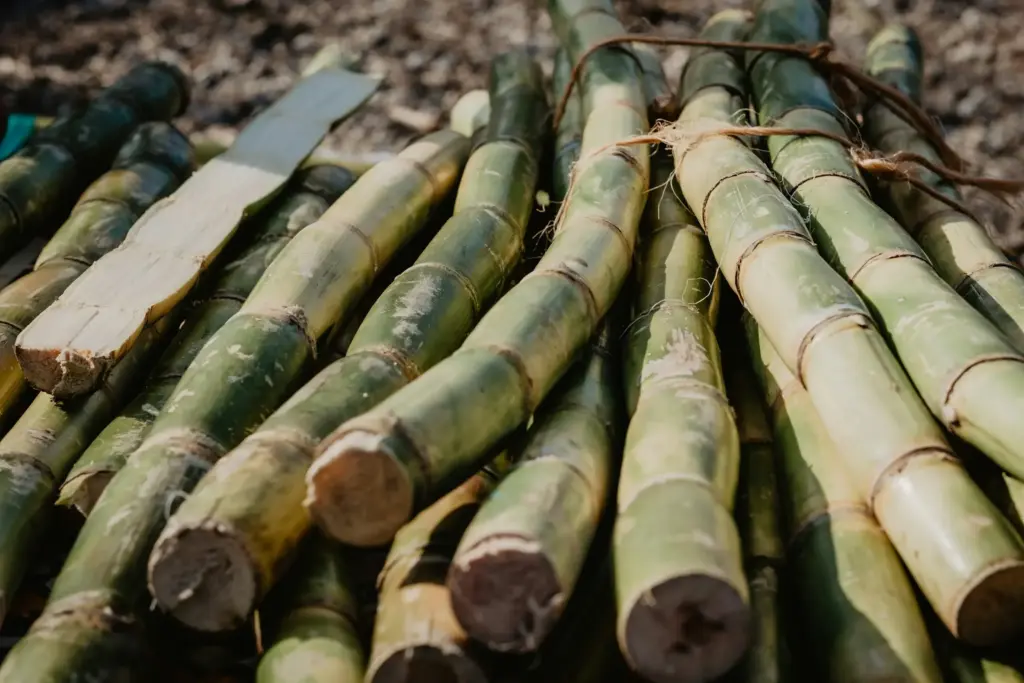
Bagasse is the dry, fibrous residue left behind after sugarcane stalks are crushed to extract juice. For decades, sugar mills treated it as waste, burning it for boiler fuel or simply discarding it. Today, that same agricultural byproduct is being pulped, molded, and pressed into plates, bowls, clamshell containers, cups, and trays that rival the functionality of plastic and outperform paper.
The beauty of bagasse lies in its dual identity. It’s both a waste-stream solution and a high-performance packaging material. A single sugarcane harvest generates roughly 30% bagasse by weight, which means global sugarcane production (approximately 1.9 billion tonnes annually) creates a massive, renewable feedstock. Unlike tree-based paper products, bagasse tableware doesn’t require deforestation. Unlike petroleum-based plastics, it decomposes within 90 to 120 days under industrial composting conditions.
Key Properties That Drive Bagasse Tableware Demand
- Heat resistance: Handles temperatures up to 220°F (104°C). Microwave-safe microwave-safe for short durations
- Grease and liquid resistance: Naturally resists oils and moisture without requiring synthetic coatings
- Freezer safe: Maintains structural integrity in cold storage
- Compostable: Breaks down in 90 to 120 days in industrial composting facilities
- PFAS-free options: Leading manufacturers now produce tableware without per- and polyfluoroalkyl substances
- Sturdy construction: Won’t bend or soak through with hot, wet, or oily foods
Five Forces Driving Bagasse Tableware Demand in 2025 and Beyond
Bagasse tableware demand isn’t growing in a vacuum. Several converging forces are creating what industry analysts at Future Market Insights call a “compliance super-cycle,” where demand becomes less sensitive to price and more sensitive to the availability of legally compliant substitutes.
1. Single-Use Plastic Bans Are Spreading Globally
The EU’s Single-Use Plastics Directive has already banned plates, cutlery, and expanded polystyrene containers across member states. England alone was consuming 2.7 billion items of single-use cutlery annually before bans took effect. In the United States, state-level legislation in California, New York, Washington, and others is creating a patchwork of regulations that collectively push foodservice operators toward compostable alternatives. India, with its comprehensive ban on single-use plastics enacted in 2022, represents one of the fastest-growing markets at a projected 8.8% CAGR.
2. The Food Delivery Boom Needs Sustainable Packaging
Online food ordering has fundamentally changed how we eat. Every takeout meal requires packaging, and the sheer volume of disposable containers flowing through delivery platforms like DoorDash, Uber Eats, and Deliveroo has intensified scrutiny on packaging waste. Quick-service restaurants and cloud kitchens need sturdy containers that can handle greasy, saucy, and hot meals without collapsing. Bagasse clamshells and containers check every box, which is precisely why food applications account for 72% of bagasse tableware demand.
3. Consumer Preferences Have Permanently Shifted
Today’s diners notice what their food comes in. A growing segment of consumers actively chooses restaurants and brands that align with their environmental values. This isn’t speculation; it’s reflected in purchasing behavior. The market for biodegradable products is projected to reach USD 20 billion by 2026, driven by consumers who are willing to pay a modest premium for products that don’t harm the planet.
4. Corporate ESG Goals Are Mandating Change
Large food brands, hotel chains, and institutional buyers aren’t switching to bagasse out of altruism alone. ESG (Environmental, Social, and Governance) reporting requirements are pushing procurement teams to document their sustainability credentials. Schools, hospitals, and corporate cafeterias are setting waste reduction targets that make compostable tableware a procurement necessity rather than a nice-to-have.
5. The “Green Premium” Is Shrinking
Perhaps the most significant long-term driver: bagasse is getting cheaper. Between 2015 and 2024, renewable energy capacity increased by 140%, reducing the energy costs associated with pulping operations. Advances in dry molding technology are improving unit economics, and as production scales up in India and China, the price gap between bagasse and traditional plastic tableware is narrowing. Institutional buyers can now justify the switch on a total-cost-of-ownership basis when factoring in waste disposal savings.
Bagasse Tableware Demand by Product Segment and Region
Not all bagasse products experience equal demand. Understanding where growth is concentrated helps manufacturers, distributors, and buyers make smarter decisions.
Product Segment Breakdown
Here’s how bagasse tableware demand distributes across major product categories:
- Plates: The dominant format, accounting for 35.2% of product-type demand. Plates are the simplest swap for plastic and foam alternatives in daily meal service.
- Bowls: Growing rapidly alongside the soup, salad, and poke bowl trend in quick-service restaurants.
- Clamshell containers: Essential for takeout and delivery, with hinged designs that secure food during transport.
- Cups: The fastest-growing product subcategory as coating technologies improve liquid barrier performance.
- Trays and platters: Gaining traction in catering, events, and institutional dining.
- Cutlery: Still a smaller segment but growing as molded fiber technology advances.
Regional Demand Hotspots
Geographically, bagasse tableware demand is shaped by raw material access, regulatory pressure, and consumer awareness:
- India: The fastest-growing market globally at 8.8% CAGR, driven by abundant sugarcane feedstock and comprehensive plastic bans.
- China: The largest value-share holder due to its dominant manufacturing base and feedstock position, growing at 8.2% CAGR.
- United States: Navigating state-level bans with accelerating adoption in foodservice. North America remains the largest overall market.
- United Kingdom: Expected to grow at 4.1% CAGR through 2033, fueled by plastic waste regulations and strong consumer awareness.
- Germany: Projected at 3.3% CAGR, with a unique focus on circularity and industrial composting infrastructure.
- Western Europe: On track for 2.8% CAGR, with the EU SUP Directive acting as the primary catalyst.
How Bagasse Tableware Compares to Plastic and Paper
Making the switch requires understanding how bagasse stacks up against conventional options. Here’s a direct comparison based on the properties that matter most to foodservice operators:
Material Performance Comparison
- Environmental impact: Bagasse is compostable within 90 days, tree-free, and made from agricultural waste. Paper requires tree harvesting and chemical processing. Plastic is petroleum-based and persists in the environment for centuries.
- Durability with hot foods: Bagasse holds up well with hot, oily, and wet foods. Paper often deforms and requires plastic or wax coatings. Plastic performs well but poses health risks from chemical leaching.
- Microwave and freezer safety: Bagasse is safe for both. Paper varies by coating type. Plastic is often unsafe in microwaves.
- Chemical safety: PFAS-free bagasse options are widely available. Paper products frequently contain PFAS coatings for grease resistance. Many plastic items contain BPA or other endocrine disruptors.
- Cost: Bagasse carries a modest premium over plastic but the gap is closing. Paper falls in between. Plastic remains the cheapest option at point of purchase but carries hidden disposal costs.
- Compostability: Bagasse is industrially and sometimes home-compostable. Coated paper may not be compostable. Plastic is not compostable.
The takeaway? Bagasse delivers the strength of plastic with the sustainability of paper, without the downsides of either. That balance is exactly what’s fueling bagasse tableware demand across the foodservice industry.
Manufacturing Process: From Sugarcane Waste to Your Table
Understanding how bagasse tableware is manufactured reveals why the product performs so well and why production costs are declining.
- Collection: After sugarcane juice extraction, the leftover fibrous material is collected from sugar mills. A single mill can generate thousands of tonnes of bagasse annually.
- Cleaning and preparation: Raw bagasse is washed, screened, and cleaned to remove residual sugars and impurities. This step is critical for food-grade quality.
- Pulping: The clean fibers are mixed with water to create a smooth pulp. For food-contact applications, chlorine-free processes (ECF or TCF) are used if whitening is required.
- Molding: The pulp is shaped into plates, bowls, or containers using high-heat, high-pressure molds. Newer dry molding technology reduces energy consumption and improves surface finish.
- Drying and finishing: Molded products are dried to achieve structural rigidity. Trimming ensures clean edges and a professional appearance.
- Quality assurance and sterilization: Products undergo food safety testing and sterilization before packaging. Certifications like FDA, BPI, and EN 13432 are verified at this stage.
The shift from traditional wet molding to next-generation dry molding technology reduces water consumption, speeds up production cycles, and eliminates the need for PFAS-based coatings, simultaneously lowering costs and improving the environmental profile of finished products.
Key Certifications to Look For
If you’re sourcing bagasse tableware for your business, certifications matter. They’re your proof of genuine compostability and food safety. Look for these credentials:
- BPI Certification (North America): Meets ASTM D6400/D6868 standards for industrial compostability
- FDA Approval (USA): Confirms the material is safe for direct food contact
- EN 13432 (Europe): The European standard for compostable packaging in industrial facilities
- OK Compost HOME/INDUSTRIAL (TÜV Austria): Widely recognized international compostability certifications
- PFAS-Free Certification: Verifies the absence of harmful per- and polyfluoroalkyl substances
- ISO 9001: Quality management systems compliance
- BRCGS: Global standard for food safety
The Competitive Landscape: Who’s Leading Bagasse Tableware Demand
Competition in the bagasse tableware market is intensifying as both established packaging giants and specialized eco-brands jockey for position. Key players include Eco-Products (US), BioPak (Australia), Vegware (UK), World Centric (US), Pactiv Evergreen (US), and Dart Container (US). On the manufacturing side, vertically integrated players like Huhtamaki, Novolex, and Duni Group are consolidating coating IP and expanding regional production footprints.
Success increasingly depends on three factors: coating quality (especially PFAS-free barriers), reliable fiber sourcing, and consistent supply performance. Suppliers with certified compostability and stable commercial supply chains are winning stronger account retention from foodservice distributors, who control roughly 34.9% of the sales channel.
Frequently Asked Questions
What is driving the demand for bagasse tableware?
Bagasse tableware demand is driven by government bans on single-use plastics, growing consumer preference for eco-friendly products, the explosion of food delivery services, corporate ESG mandates, and declining production costs that make bagasse increasingly competitive with traditional plastic tableware. Regulatory pressure alone, with bans active across the EU, India, and multiple US states, has created what analysts describe as a “compliance super-cycle” forcing rapid adoption.
How big is the bagasse tableware market?
Market size estimates vary by source and methodology. Future Market Insights values the market at USD 3.1 billion in 2026, projecting it to reach USD 6.4 billion by 2036 at 7.5% CAGR. Market Research Future estimates it at USD 5.7 billion in 2024, forecasting growth to USD 16.47 billion by 2035 at 10.12% CAGR. Both reports agree on strong, sustained growth driven by sustainability trends and regulatory tailwinds.
Is bagasse tableware microwave and freezer safe?
Yes. High-quality bagasse tableware is microwave-safe for short durations and maintains its structural integrity in freezer conditions. This dual functionality makes it suitable for food preparation, storage, reheating, and serving, which is a key reason foodservice operators prefer it over paper alternatives that may warp or deform.
How long does bagasse tableware take to decompose?
Under industrial composting conditions, bagasse tableware typically decomposes within 90 to 120 days. In home composting environments, the process takes slightly longer depending on temperature, moisture, and microbial activity. By contrast, plastic tableware can persist in the environment for 400 years or more.
Is bagasse tableware safe for food contact?
Absolutely. Food-grade bagasse tableware is manufactured without harmful chemicals and is free from BPA. Leading manufacturers now offer PFAS-free product lines, eliminating concerns about forever chemicals. Look for FDA approval and BPI certification to verify food safety compliance.
What are the main product types in the bagasse tableware market?
The primary product categories include plates (the largest segment at 35.2% market share), bowls, clamshell containers, cups (the fastest-growing subcategory), trays, platters, and cutlery. Each format serves distinct applications, from daily meal service and takeout packaging to catering events and institutional dining.
What the Demand Numbers Show
Bagasse tableware demand is a structural shift powered by legislation, economics, and consumer behavior that’s converging to make compostable foodservice packaging the new standard. With the market on track to more than double within the next decade, businesses that adopt bagasse tableware now will gain a competitive edge in sustainability credentials, regulatory compliance, and customer loyalty.
If you’re ready to explore bagasse tableware for your business, start by requesting samples from certified suppliers, verifying their PFAS-free and compostability certifications, and comparing total cost of ownership (including waste disposal savings) rather than just unit price. The shift is happening. The only question is whether you’ll lead it or chase it.