Disposable tableware plays a major role in the modern food service industry. From street food vendors and catering companies to corporate events and large gatherings, single-use plates and trays are widely used because they offer convenience and reduce the need for washing and storage. However, not all disposable tableware materials are equal when it comes to environmental impact.
One of the most problematic materials still widely used in the food service sector is thermocol. Also known as expanded polystyrene (EPS), thermocol has been commonly used for disposable plates, cups, and trays for decades due to its low cost and lightweight properties. Despite its popularity, thermocol tableware has become one of the most environmentally harmful materials used in the food industry.
As awareness around sustainability grows, governments, businesses, and consumers are increasingly recognizing the need to phase out thermocol tableware completely and replace it with more responsible alternatives such as bagasse tableware made from natural plant fiber.
Understanding why thermocol should be banned helps businesses make better decisions about the products they use in their food service operations.
What Is Thermocol Tableware
Thermocol tableware is made from polystyrene, a petroleum-based plastic material. During the manufacturing process, polystyrene beads are expanded using heat and chemicals to create a lightweight foam structure. This foam is then molded into plates, cups, and trays.
The resulting product is inexpensive and easy to produce in large quantities, which is why thermocol plates became extremely common at weddings, street food stalls, festivals, and catering events.
However, the low cost of thermocol comes at a significant environmental price.
Thermocol Takes Hundreds of Years to Decompose
One of the biggest problems with thermocol tableware is that it is not biodegradable. Unlike materials derived from natural fibers, thermocol does not break down naturally in the environment.
A single thermocol plate can take hundreds of years to decompose. During this time, it remains in landfills, drainage systems, or open environments where it contributes to long-term pollution.
Because thermocol is so lightweight, it is easily carried by wind and water. This allows it to spread into rivers, lakes, oceans, and agricultural land, making environmental contamination even worse.
Over time, thermocol breaks down into smaller plastic particles known as microplastics, which can enter ecosystems and potentially affect wildlife and human health.
Thermocol Recycling Is Extremely Limited
In theory, some forms of polystyrene can be recycled. In practice, thermocol recycling is extremely rare and inefficient.
Thermocol products are bulky but very light, which makes transportation for recycling economically unviable. Recycling facilities often avoid handling thermocol because the material is difficult to process and yields little value.
In many cities, thermocol waste is simply dumped into landfills or burned. Both disposal methods have serious environmental consequences.
Burning thermocol releases toxic gases such as styrene and other harmful chemicals that contribute to air pollution. These emissions can negatively impact both environmental and public health.
Thermocol Is Unsafe for Hot Food
Another concern with thermocol tableware is its interaction with hot food.
When hot meals are served in thermocol plates or containers, there is a possibility that harmful chemicals may leach into the food. This is particularly concerning for dishes served at high temperatures or foods with oil and acidity.
Given that thermocol plates are commonly used for serving hot meals such as rice, curries, noodles, and fried foods, this potential risk cannot be ignored.
Food safety experts increasingly recommend moving away from petroleum-based disposable tableware in favor of natural materials.
Growing Environmental Regulations
Across the world, governments are introducing stricter regulations to control the use of single-use plastics. Many countries and cities have already banned or restricted thermocol food packaging.
India has also taken steps to reduce plastic waste through regulations on single-use plastic products. While enforcement varies across regions, the overall direction is clear: materials like thermocol are becoming increasingly unacceptable in responsible food service operations.
Businesses that continue to rely on thermocol may face regulatory challenges in the future as sustainability standards become stricter.
Forward-thinking companies are already transitioning to eco-friendly alternatives that align with evolving environmental policies.
Businesses Are Moving Toward Sustainable Alternatives
Restaurants, catering services, and corporate organizations are now paying closer attention to the environmental footprint of the products they use.
Consumers today are also more aware of sustainability issues. Many customers prefer businesses that demonstrate environmental responsibility in their operations.
Using eco-friendly tableware sends a positive message to customers and partners. It shows that a business values both convenience and environmental responsibility.
One of the most promising alternatives to thermocol is bagasse tableware.
Bagasse Tableware: A Sustainable Alternative
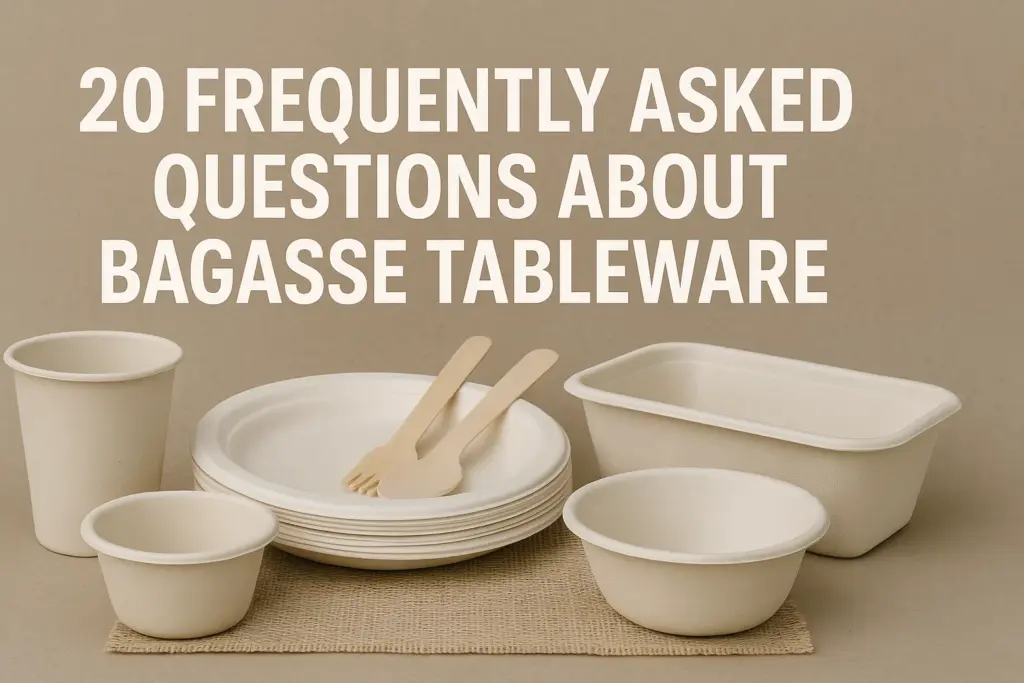
Bagasse is a natural fiber obtained from sugarcane after juice extraction. Instead of being discarded as agricultural waste, this fiber can be processed into durable and compostable tableware products.
Bagasse plates, trays, bowls, and food containers offer many advantages compared to thermocol.
They are made from renewable plant material rather than petroleum-based plastics. They are sturdy enough to hold hot meals and oily foods. Most importantly, they are compostable and break down naturally in the environment.
This makes bagasse tableware an environmentally responsible solution for modern food service businesses.
The Growing Demand for Bagasse Tableware in India
India is one of the largest producers of sugarcane in the world, which means bagasse is widely available as a raw material. This makes bagasse tableware a practical and scalable alternative for the Indian food service industry.
Many catering companies, restaurants, and corporate offices are already replacing thermocol with bagasse plates and trays. Large events such as weddings, conferences, and festivals are also increasingly adopting compostable tableware.
This shift reflects a broader transition toward sustainable food service practices.
Why Businesses Should Act Now
Continuing to use thermocol tableware exposes businesses to environmental criticism and potential regulatory issues in the future.
Transitioning to sustainable alternatives offers several benefits.
It improves brand reputation.
It aligns with government sustainability initiatives.
It reduces environmental impact.
It demonstrates corporate responsibility.
Businesses that adopt eco-friendly solutions early are better positioned to meet the expectations of modern consumers and regulators.
Pulpcraft: Supporting Sustainable Food Service
As businesses move away from thermocol and plastic-based tableware, reliable alternatives become essential. This is where manufacturers of compostable tableware play a crucial role.
Pulpcraft offers a wide range of bagasse tableware products designed for modern food service operations. Manufactured from high-quality sugarcane fiber, Pulpcraft products are strong, practical, and environmentally responsible.
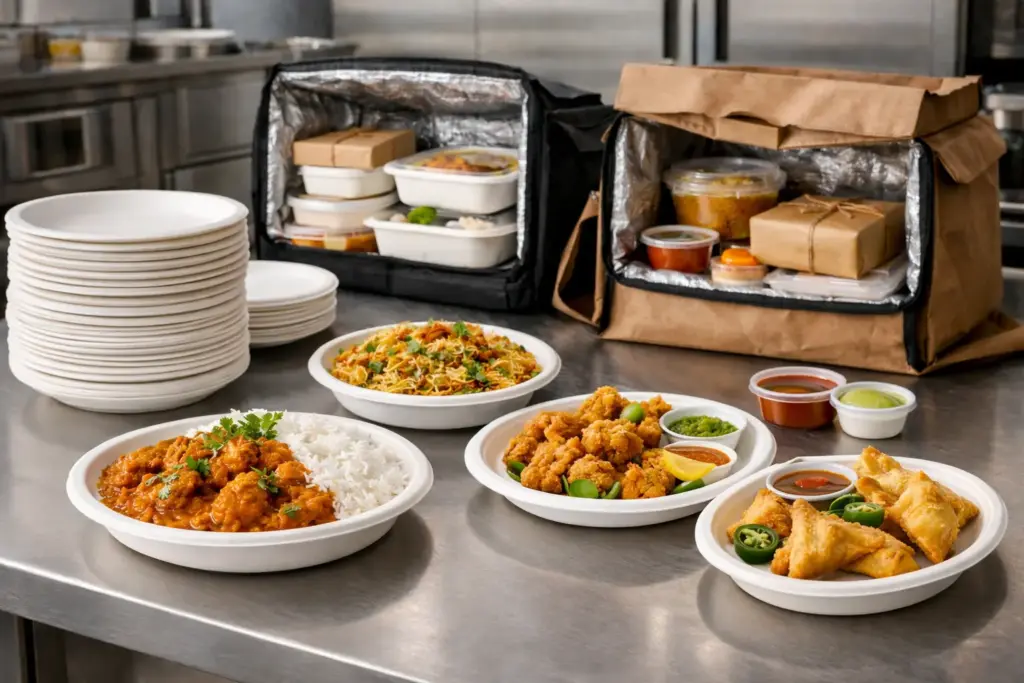
The product range includes bagasse plates, compartment trays, bowls, and food containers that can handle hot meals, oily dishes, and large catering volumes with ease.
Pulpcraft tableware is suitable for restaurants, catering companies, corporate events, cloud kitchens, and food delivery services looking for dependable eco-friendly packaging solutions.
By choosing bagasse products from Pulpcraft, businesses can reduce their environmental footprint while maintaining high standards of food presentation and service.
Moving Toward a Thermocol-Free Future
The widespread use of thermocol tableware has created significant environmental challenges. With its long decomposition time, limited recyclability, and potential health concerns, thermocol is no longer a responsible choice for modern food service operations.
Sustainable materials such as bagasse offer a practical alternative that combines convenience with environmental responsibility.
As more businesses adopt eco-friendly practices, the transition away from thermocol becomes inevitable.
Choosing compostable tableware today helps create a cleaner and more sustainable food service industry for the future.